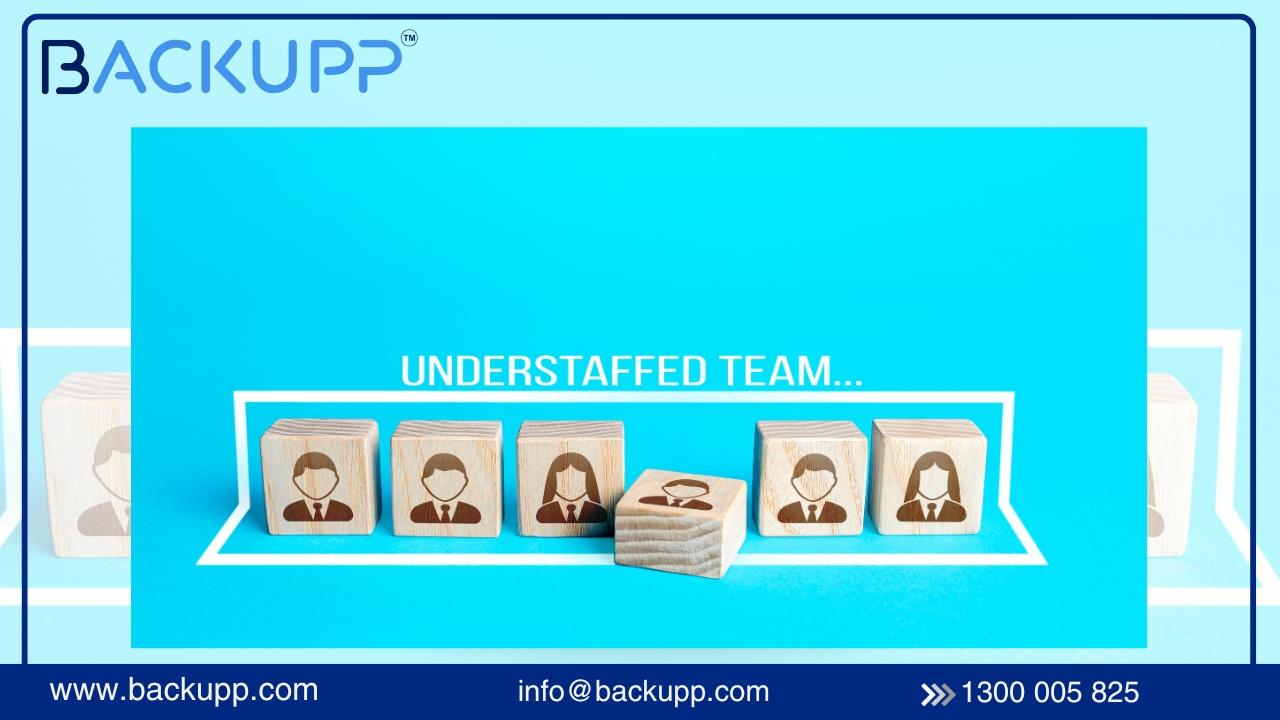
The Benefits of Flexible Staffing Solutions for Australian Businesses !!
In today's dynamic business landscape, Australian companies are facing increasing pressure to adapt quickly to market changes, fluctuations in demand, and evolving workforce needs. One strategy that has gained popularity in recent years is flexible staffing. This approach allows businesses to scale their workforce up or down based on immediate needs, offering a range of benefits for both employers and employees. Here’s a closer look at how flexible staffing solutions can help Australian businesses thrive.
1. Cost Efficiency
The potential for cost savings is one of flexible staffing's biggest benefits. Businesses can hire contract or temporary labour as needed, saving money by not hiring full-time staff for temporary or seasonal tasks. This lowers the price of long-term employment-related expenses like salaries and benefits. Additionally, businesses can more effectively allocate resources where they are most required by paying for the labour and skills they require on a project-by-project basis.
Pro tip: Without committing to long-term contracts, use flexible staffing to cover busy times, such as holiday seasons or special projects.
2. Improved Agility and Adaptability
In an ever-changing market, businesses need to be nimble. Flexible staffing allows Australian businesses to respond quickly to shifts in demand, market trends, or unforeseen challenges. Whether it's scaling up for a major project or downsizing during a quiet period, businesses can adapt their workforce without the need for time-consuming hiring or layoffs.
This flexibility is especially beneficial in industries like retail, hospitality, and tech, where demand can fluctuate dramatically throughout the year.
Pro tip: Build relationships with reputable staffing agencies to ensure quick access to skilled workers when your business needs to pivot or expand.
3. Access to Specialized Talent
Flexible staffing solutions often provide businesses with access to a broader talent pool, including professionals with highly specialized skills. For example, a company may need an expert for a one-time IT upgrade or a marketing professional to launch a short-term campaign. Instead of investing in full-time employees who may not be needed after the project is completed, businesses can bring in experts on a temporary basis to get the job done.
Pro tip: Use freelancers or contract workers to bring in specialized skills that may not be available within your existing team.
4. Reduced Risk of Employee Burnout
Burnout among employees can have a big effect on morale and productivity, which can result in high turnover and poor performance. Businesses can lessen the strain on their permanent workers by more fairly allocating responsibilities at peak times with flexible workforce options. This guarantees that projects are finished without overworking key personnel and promotes a better work-life balance.
Pro tip: To avoid burnout and preserve morale, use temporary workers to assist your team during high-stress periods, such as significant product launches or deadlines.
5. Trial Period for Long-Term Hires
Flexible staffing solutions can also serve as a trial period for businesses looking to hire full-time employees. By bringing on temporary staff for short-term assignments, employers can assess their skills, cultural fit, and work ethic before committing to a permanent role. This "try before you buy" approach minimizes the risk of hiring the wrong candidate and increases the likelihood of long-term success.
Pro tip: Consider offering temporary workers permanent positions if they perform well and fit into your company's culture.
6. Enhanced Workforce Diversity
Flexible staffing solutions often lead to a more diverse workforce. Businesses that utilize freelancers, contract workers, and part-time employees are more likely to encounter individuals from diverse backgrounds, skill sets, and experiences. This diversity can drive innovation, as teams with varied perspectives often come up with more creative solutions to problems.
Pro tip: Leverage flexible staffing to introduce fresh ideas and perspectives into your business, particularly in roles that benefit from creative thinking and innovation.
7. Improved Compliance and Reduced Administrative Burden
In Australia, there are a number of regulatory requirements associated with hiring permanent staff members, including handling taxes, superannuation provision, and employment law compliance. Businesses can lessen their administrative load by using flexible staffing solutions, since many staffing agencies take care of these tasks for contract or temporary employees. This frees up business owners from having to spend time managing paperwork and lets them concentrate on expanding their firm.
Pro tip: Deal with respectable staffing companies that manage temporary employees' payroll, legal compliance, and other HR duties.
8. Business Continuity and Flexibility During Uncertainty
The COVID-19 pandemic demonstrated the need for businesses to be resilient and adaptable. During times of economic uncertainty, flexible staffing solutions provide a safety net. Companies can maintain operational continuity by bringing in temporary staff for critical projects without committing to long-term employment costs. This approach ensures that businesses can continue to operate efficiently even when faced with unexpected challenges.
Pro tip: Use flexible staffing during times of uncertainty to maintain productivity without risking financial strain from long-term commitments.
9. Increased Employee Satisfaction
Flexible staffing solutions benefit not only businesses but also employees. Many workers today value flexibility in their schedules, whether it's through part-time work, freelancing, or contract positions. Offering flexible staffing options can attract top talent who are looking for non-traditional work arrangements. By catering to these preferences, businesses can boost employee satisfaction and retention.
Pro tip: Consider offering flexible working arrangements to attract and retain skilled workers who value work-life balance.
Final Thoughts
In order to remain competitive in a market that is changing quickly, Australian firms can benefit greatly from flexible workforce solutions. Flexible staffing enables companies to respond more skilfully to opportunities and challenges by reducing costs, increasing agility, and improving employee happiness.
By adopting this strategy, Australian companies may lower risk, boost productivity, and develop a workforce that is more adaptable and resilient, positioning themselves for long-term success.